About Govind Kavaturi
Co-founder of Dock, backed by Y Combinator S26.
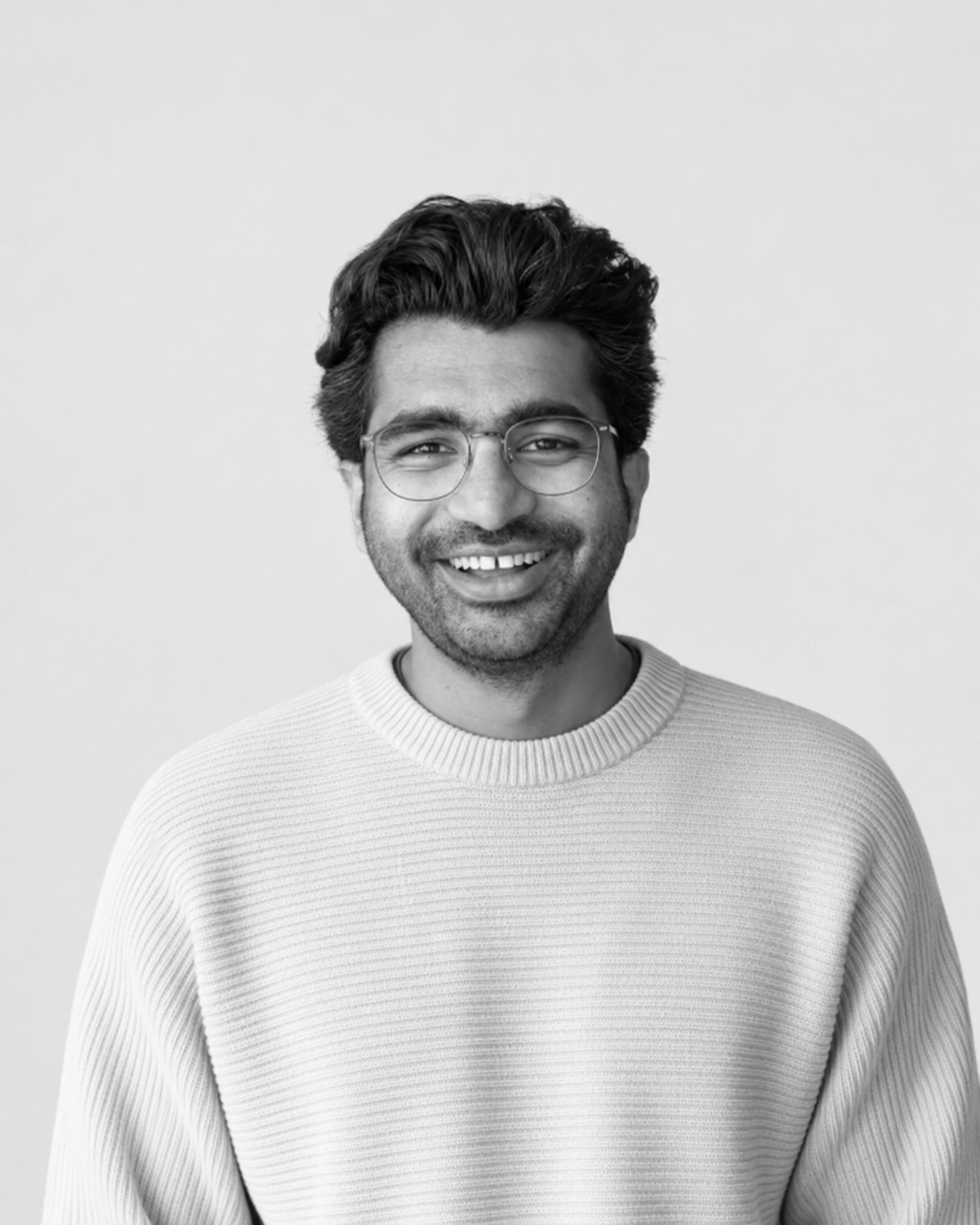
From building companies to building with agents.
I'm Govind Kavaturi, co-founder of Dock with Mike Molinet, backed by Y Combinator S26. We're building a multiplayer workspace for agents and humans. The question behind it is bigger than how to get a better answer from a model: how does work actually move forward when people and agents are part of the same team?
My perspective comes from a decade across product, design, communities, and growth—not from working on AI in isolation. Leading Kairos Society India put community building at the beginning of that arc. Bringing people together, creating shared purpose, and helping ideas become real are still part of how I think about products.
I joined Branch early in 2015 and spent six years building teams, partnerships, and international expansion. That work brought product, distribution, and execution together: understanding a market, building relationships, and coordinating the people needed to make something work beyond the product itself.
Co-founding Thena, a B2B customer communication platform backed by Lightspeed, First Round, and Pear, brought the focus closer to how companies work with their customers. Communication is not just a stream of messages. It carries decisions, obligations, and context that someone has to act on. That is an important connection to how I think about agent work today.
AI then changed what I could build myself. I went from being a non-technical operator to shipping applications and running agents, an experience I documented in 100 Days of Building with AI. The change was not only speed. It shortened the distance between an idea and something I could put into use—and made clarity, taste, and judgment more important, not less.
That is the perspective I bring to AI agents. A capable model is a starting point, not a complete way of working. Agents need context that survives a conversation, memory that incorporates corrections, clear ownership, and reliable handoffs. People need to understand what happened, inspect the evidence, and know when their judgment is required. I care as much about those product and organizational questions as I do about what a model can generate.
Dock brings these interests together: product and design to make agent work understandable, company-building experience to think through coordination and accountability, and hands-on AI building to test the ideas in practice. I wrote about the thinking behind it in Why We Built Dock. My writing explores that same intersection—what AI changes about products, customer relationships, and the way companies are built and run.
Outside work, I spend time with science fiction, cinema, and history, and document the world through street and travel photography. Those interests sit alongside the work, not apart from it: different ways of paying attention to people, systems, and change.
Writing & Frameworks
- Frameworks: Strategic mental models for B2B SaaS founders
- AI Trust Surface: Working heuristics for assessing AI visibility signals
- Blog: Perspectives on AI, growth, and building
- The Builder Weekly: One thesis a week for builders shipping with AI